

For as long as human beings have been telling stories, we have been watching the light.
We have marked its return. We have celebrated it. We have trusted that even after the longest night, something new begins.
That is why the winter solstice has mattered for millennia.
At the darkest point of the year, when daylight feels scarce and the cold seeps in, ancient cultures gathered to notice a simple but profound truth. The light returns. Slowly. Imperceptibly at first. But reliably.
Early Christianity inherited that wisdom.
The New Testament never gives us a date for Jesus’ birth, and the earliest followers did not celebrate Christmas at all. It was only centuries later that December 25th emerged as the Feast of the Nativity. Part of that choice was practical, a way to reinterpret popular midwinter festivals already centered on light, renewal, and hope. Part of it was symbolic. If new life entered the world at the darkest time, then darkness does not get the final word.
That symbolism has endured because it speaks to something deeply human.
This year, the darkness feels real.
Political rancor. Economic anxiety. War in Ukraine and the Middle East. Nuclear saber-rattling that feels unthinkable and yet very present.
Add to that the private darkness people carry quietly. Burnout. Grief. Fear about the future. The sense that the world is louder, harsher, and less kind than it used to be.
It is easy to get lost there.
But darkness has never been the whole story.
Light does not arrive as a flood. It arrives as a flicker. A candle. A decision. A choice to see what is still good and to act accordingly.
Light is clarity when confusion reigns. It is steadiness when others are reactive. It is kindness without an agenda.
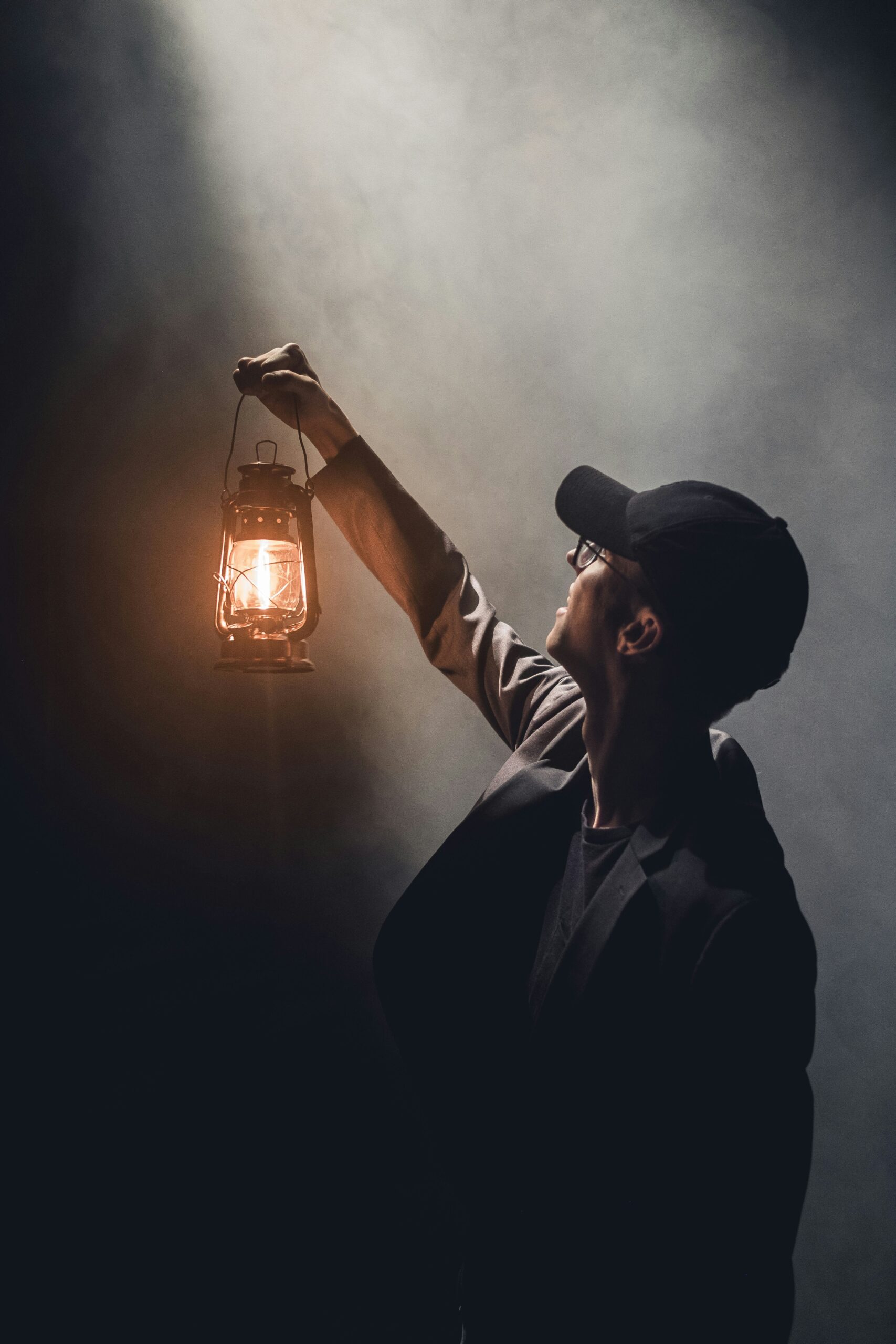
And this is where the ancient story becomes personal.
Finding the light is not a passive act. It is a practice. It means choosing where you place your attention. It means resisting the pull to doom-scroll, catastrophize, or harden your heart. It means noticing competence, generosity, and courage where they still show up every day.
But it goes further.
The invitation is not just to look for the light. It is to be it.
Be the colleague who steadies a tense room. Be the leader who tells the truth without cruelty. Be the professional who does not add to the noise.
Light multiplies when it is shared. One calm presence changes a conversation. One thoughtful decision shapes a culture. One act of decency ripples outward in ways you may never see.
These holidays of Light remind us that change does not need to be dramatic to be real. The days lengthen by seconds at first. No fireworks. No announcement. Just a quiet turning.
So this Christmas, whether or not the world feels ready, the light is still returning.
You can notice it. You can protect it. And you can offer it.
That is how darkness has always been met.